Smart HVAC Right-Sizing for Holly Tree Luxury Homes
November 6, 2025
November 6, 2025
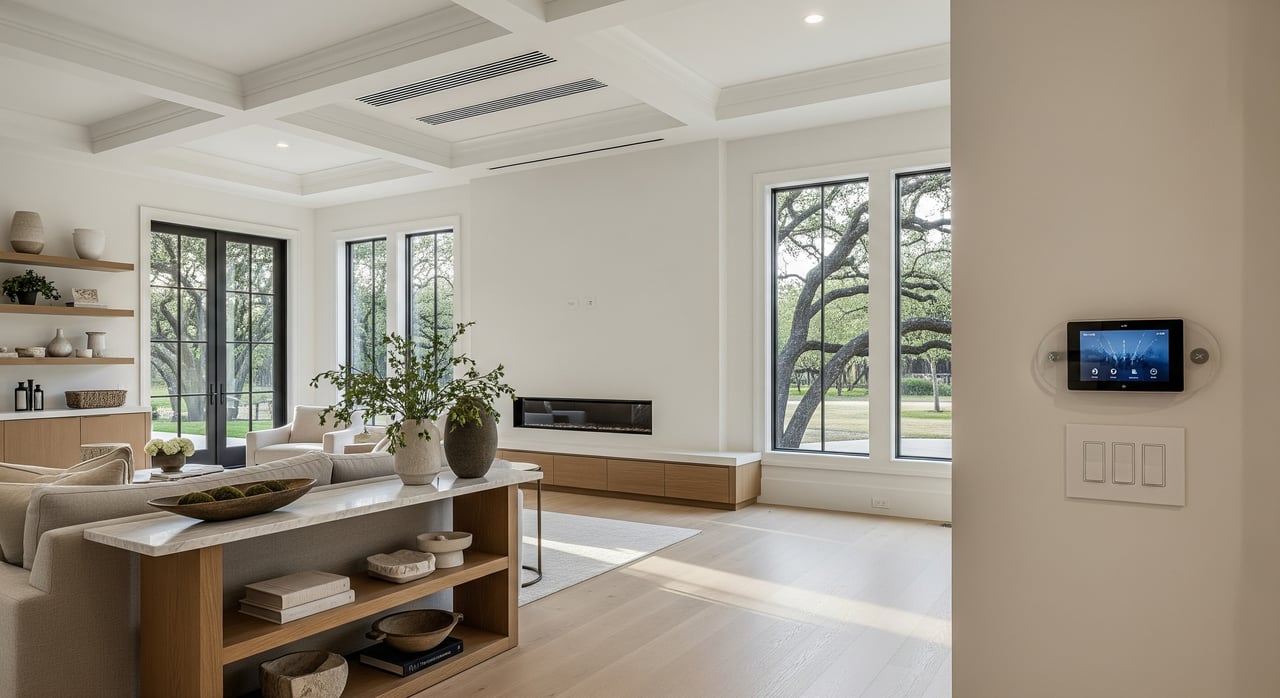
It is no secret that Far North Dallas summers test every HVAC system. In a large Holly Tree home, you feel it even more: rooms that never quite cool, sticky air after sunset, and power bills that climb each month. If you are planning a remodel or prepping to sell, smart HVAC upgrades can boost comfort and help your home show at its best. In this guide, you will learn the right steps for sizing, equipment, ductwork, humidity control, permits, and incentives so you can invest with confidence. Let’s dive in.
Far North Dallas sits in a hot-humid zone. Cooling demand dominates most of the year, and moisture control matters as much as temperature. When you upgrade a system, plan for both. Local energy codes reference national standards for ventilation and efficiency, and remodels often trigger permit reviews. Knowing this up front helps you avoid rework and delays.
For ventilation, many compliance paths reference ASHRAE 62.2 whole-home ventilation. If you choose a performance path during permitting, the DOE’s REScheck tool is commonly used to show compliance.
Large 3,500–5,000 sq ft homes rarely behave like simple, single-zone spaces. Skip rules of thumb and require a professional Manual J load calculation for your actual home, followed by Manual S equipment selection and Manual D duct design. This is your best protection against short-cycling, uneven rooms, and humidity issues. Ask your contractor to share the reports so you can see the assumptions.
You will feel a difference with variable-speed inverter heat pumps and ECM air handlers. They run longer at lower speeds, which helps remove moisture and keeps temperatures steady. Two-stage systems are a solid middle ground if budget is tight, but in our climate the variable-speed option usually delivers the best comfort and quieter operation.
For large, multi-level homes, one large unit often struggles. Zoning with motorized dampers and multiple thermostats can balance loads across floors and orientations. Many Holly Tree homes perform best with two smaller systems instead of a single oversized one. Redundancy is a bonus if a unit needs service on a hot day.
Make sure your selected equipment has an AHRI-certified rating. AHRI certification confirms tested efficiency for the exact indoor and outdoor combination, which is important for code, rebates, and realistic savings.
Ducts that are undersized, leaky, or routed across long attic runs will undo the benefits of great equipment. Use Manual D to size each branch for target airflow. Require mastic sealing, proper metal connectors, and leakage testing after installation. If ducts run through an unconditioned attic, make sure they are well insulated.
Variable-speed ECM blowers handle higher static pressure better than older motors, but the goal is still a low, stable pressure. That means smooth duct layouts, fewer sharp turns, and filters that match your system’s capacity. Aim for MERV 8–13 filtration depending on the blower’s capability.
In a hot-humid climate, controlling latent load is essential. Variable-speed systems pull more moisture because they run longer at lower speeds. If you still have sticky rooms or you are tightening the home during a remodel, consider adding a whole-house dehumidifier.
Balanced mechanical ventilation helps you meet code and improve indoor air quality. An Energy Recovery Ventilator transfers heat and moisture between the incoming and outgoing airstreams, which reduces the humidity penalty on hot days. When you size the system, confirm it meets ASHRAE 62.2 ventilation rates.
Smart thermostats with remote temperature and humidity sensors can fine-tune comfort and scheduling. Look for models that meet ENERGY STAR smart thermostat criteria and that integrate with zoning or dehumidification modes.
Replacing equipment or altering ducts typically requires a permit. Expect to show equipment efficiency, duct leakage testing, and ventilation compliance during inspections. If your remodel scope is larger, you may need to document insulation or fenestration upgrades as well.
Have these items ready before work begins:
Early coordination with your contractor and the local building department helps keep your project on schedule.
Rebates and credits can change, so check current options before you sign a contract. Start with the Database of State Incentives for Renewables and Efficiency to scan active programs and financing in Texas. You can search by zip code at DSIRE to see what is available. Be sure your quotes list model numbers, AHRI ratings, and efficiencies so you can confirm eligibility.
Use this quick list to keep your upgrade on track:
Variable-speed and multi-zone systems cost more upfront but often deliver lower seasonal energy use, quieter operation, and much better humidity control. Duct sealing, attic insulation, and ventilation improvements can pay back faster by reducing both sensible load and moisture. Protect your investment with proper commissioning at install, annual tune-ups, coil cleaning, and timely filter changes.
If you are remodeling for personal comfort or preparing a Holly Tree home for market, design-smart HVAC choices can elevate your daily living and your home’s appeal. You can pair these upgrades with thoughtful cosmetic updates and staging so your property shows at its best. For personalized guidance on which improvements matter most for buyers in Far North Dallas and how to coordinate vendors on a tight timeline, connect with Unknown Company. We are here to help you align comfort, design, and resale value.
Stay up to date on the latest real estate trends.
Whether its your first home, a larger property for your growing family or a scaled-down home for a comfortable retirement. Shauna’s combination of design experience, remodel and building experience, and real estate expertise makes her an individual partner who will exceed your expectations with outstanding service and results.
Shauna Bright
Address 7248 Crosswater Ste 100 Tyler TX 75703