Lake Tyler Waterfront Checklist for Informed Buyers
December 4, 2025
December 4, 2025
You found a Lake Tyler home with the view you want and a dock that looks perfect for weekend boating. Before you picture sunset cruises, take time to verify the details that protect your investment. Waterfront purchases have extra moving parts, and a smart due diligence plan keeps you from costly surprises later.
Below is a clear, step-by-step checklist tailored to Lake Tyler and Smith County. You will learn what to verify, who to contact, and how to read red flags so you can buy with confidence. Let’s dive in.
Waterfront properties often involve shoreline rights, permits, and flood and insurance variables that do not apply to in-town homes. Small oversights can affect your ability to use a dock, add a boathouse, or insure the structure. A methodical review helps you confirm what you own, what you can build, and what it will cost to maintain.
A focused plan also improves your negotiating power. When you understand permits, flood zones, and HOA rules upfront, you can price risk accurately and set clear terms with the seller.
Hire a licensed Texas Professional Land Surveyor to produce a current boundary survey. Ask for a depiction of property corners, improvements, setbacks, recorded easements, and the ordinary high-water or mean water line if it can be located. Request floodplain lines on the drawing for easy reference.
A current survey helps you avoid encroachments and confirms where structures sit relative to the shoreline. It also clarifies space for future improvements.
Open title and review the commitment with your title company. Focus on exceptions related to riparian or littoral rights, recorded easements, prescriptive shoreline access, and utility easements. Search the Smith County Clerk records for historical conveyances and any unresolved liens.
Pay special attention to any easements allowing public or third-party access along the shoreline. These can affect privacy, maintenance responsibilities, and resale.
Lakebed and waterline ownership can vary by Texas reservoir. Some submerged lands are state or municipal, which can limit private use of the lakebed. Confirm riparian and littoral rights in your deed and verify ownership boundaries with the title company. If questions remain, consult the Texas General Land Office for state ownership issues and the local lake operator about any municipal controls.
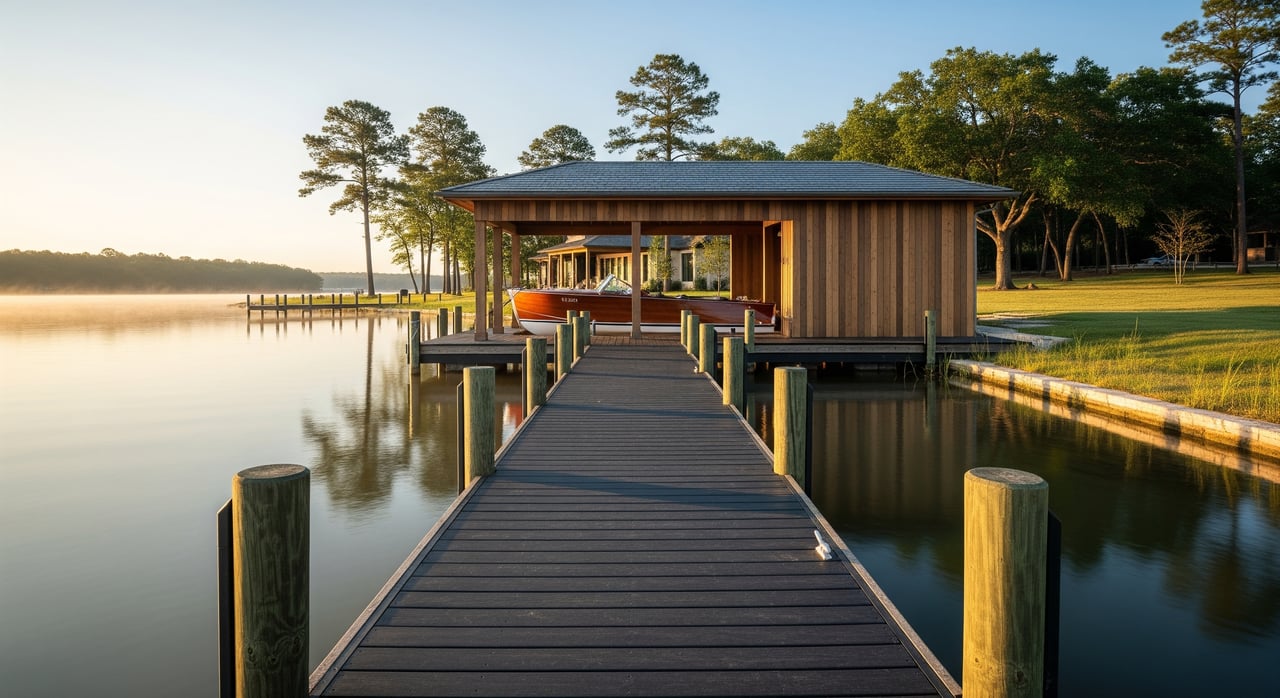
Document the status of any existing dock, boathouse, lift, or shoreline stabilization. Ask the seller for permit numbers, as-built drawings, dates of approval, and any open violations. Then verify requirements with local permitting offices and the appropriate agencies. On Lake Tyler, you may need to coordinate with agencies such as the Texas Parks and Wildlife Department, the Texas Commission on Environmental Quality, and the U.S. Army Corps of Engineers if federal jurisdiction applies.
If you want to modify a structure or add a new one, confirm what permits are required, whether permits transfer at sale, and any limits on materials or size. If the property is in an HOA or POA, review design guidelines and architectural rules for waterfront improvements.
Hire a marine or dock contractor to evaluate pilings, decking, anchoring, roofs, lifts, and electrical components. Ask for a defect list, estimated repair costs, remaining life of materials, and required permits for repairs. Include bulkheads, seawalls, riprap, and retaining walls in the inspection.
A professional inspection can prevent safety issues and help you budget for near-term maintenance.
Confirm wake and speed rules that apply to the specific cove or shoreline. Contact the Smith County Sheriff’s Office marine patrol and TPWD game wardens for official guidance and maps. If the neighborhood has private no-wake rules, get those in writing from the HOA or POA. Understanding enforcement helps you set realistic expectations for boating and noise.
Identify the water source: municipal connection, community system, treated lake water, or a private well. Confirm sewer service or whether the home uses an on-site septic system. If sewer is not available, ask for the septic permit and maintenance history.
Service type affects operating costs and maintenance planning. Make sure you understand who provides service and which agencies regulate repairs.
For an on-site sewage facility, request records from Smith County environmental health or permitting. Order an inspection from a licensed septic professional. Ask for the permit number, installation date, tank material and capacity, drain-field location, and any documented repairs. If the system is older or unknown, factor replacement risk into your offer and timeline.
Confirm the electric provider, meter status, and capacity, especially if you plan to power a lift, workshop, or EV charger. Ask about distance to the transformer, service line easements, and recent bills to estimate load. Check telecom availability, including cable, fiber, or fixed wireless options, since some waterfront areas have limited choices.
Review the FEMA Flood Insurance Rate Map for the parcel and identify the flood zone. If the home is in a high-risk zone, request an elevation certificate. Knowing the base flood elevation helps you understand building and insurance requirements.
Also ask the local floodplain administrator about any development permits needed for shoreline or dock work. Getting clarity early keeps your project on track.
Obtain homeowner, flood, and wind or hail quotes during your option period. Ask each carrier about exclusions, separate wind deductibles, or restrictions for older structures. Some carriers treat docks and boathouses differently, so verify coverage amounts and limits in writing.
Confirm whether the policy covers waterfront structures at replacement cost or actual cash value. Ask about liability requirements for docks and watercraft and any HOA liability standards. If premiums are unusually high, seek multiple quotes from agents familiar with Smith County waterfront properties.
Request the CC&Rs, bylaws, architectural guidelines, budgets, reserve studies, board meeting minutes for the past year, and any litigation disclosures. Review the association’s financial health, enforcement history, and upcoming projects.
Pay close attention to shoreline maintenance responsibilities, boat slip assignment or deeded rights, and the history of special assessments.
If you plan to rent the home, confirm short-term rental rules and minimum lease terms. Ask about guest slip policies, launch access, and how guest use is managed. Clear rules reduce friction once you move in.
Ask about shoreline erosion and sedimentation that could affect water depth at the dock. Speak with the HOA or lake operator about past drawdowns, maintenance closures, and seasonal fluctuations. If bank stabilization is needed, confirm permitting triggers at the local, state, and federal levels before planning work.
Check for any recent water quality advisories, fish kills, or algae blooms with the Texas Parks and Wildlife Department and the Texas Commission on Environmental Quality. If you transport boats from other lakes, review invasive species protocols and cleaning requirements to protect Lake Tyler.
High-end waterfront purchases benefit from a coordinated team and a tight timeline. A concierge approach brings together the surveyor, title, marine inspector, and insurance agent while your option period is open. You get faster answers, better negotiations, and a smoother path to closing.
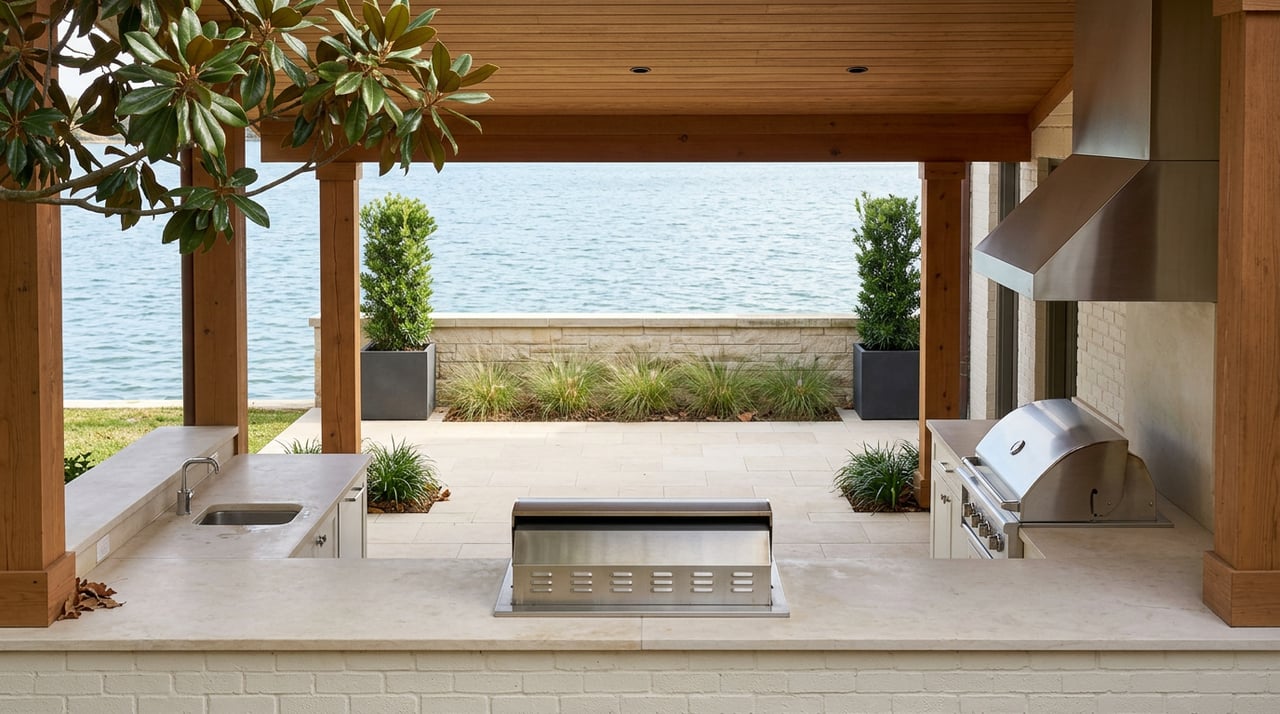
If you want a design-forward lens, layer in cost and feasibility for updates such as outdoor kitchens, expanded decks, or boathouse upgrades. The right plan balances aesthetics, function, and permitting so your Lake Tyler property lives the way you want it to from day one.
Ready to secure a Lake Tyler home with confidence? Connect for buyer representation that blends market insight, design guidance, and a step-by-step due diligence plan tailored to Smith County waterfronts. Reach out to Shauna Bright to schedule your private consultation.
Stay up to date on the latest real estate trends.
Whether its your first home, a larger property for your growing family or a scaled-down home for a comfortable retirement. Shauna’s combination of design experience, remodel and building experience, and real estate expertise makes her an individual partner who will exceed your expectations with outstanding service and results.

Shauna Bright
Address 7248 Crosswater Ste 100 Tyler TX 75703