Relocating to Lake Palestine from Dallas: What to Know
January 1, 2026
January 1, 2026
Ready to trade Dallas traffic for sunrise boat rides and quiet coves? If you have spent weekends at Lake Palestine and are now considering a full‑time move, you are not alone. Many DFW buyers are embracing more space, water access, and a relaxed pace while keeping occasional access to the city. This guide walks you through the essentials, from commute expectations to docks, utilities, HOAs, inspections, and a staged move plan tailored to the Anderson County side, including addresses that map to 75803. Let’s dive in.
Driving time from Dallas to Lake Palestine typically ranges from about 1.5 to 2.5 hours depending on your exact shoreline and traffic. Your commute will feel very different if you are on the Anderson County side versus the north end of the lake. Measure drive times to your regular Dallas destinations, such as downtown or the airports, at your typical travel hours. Occasional city trips remain manageable for many remote workers and part‑time commuters.
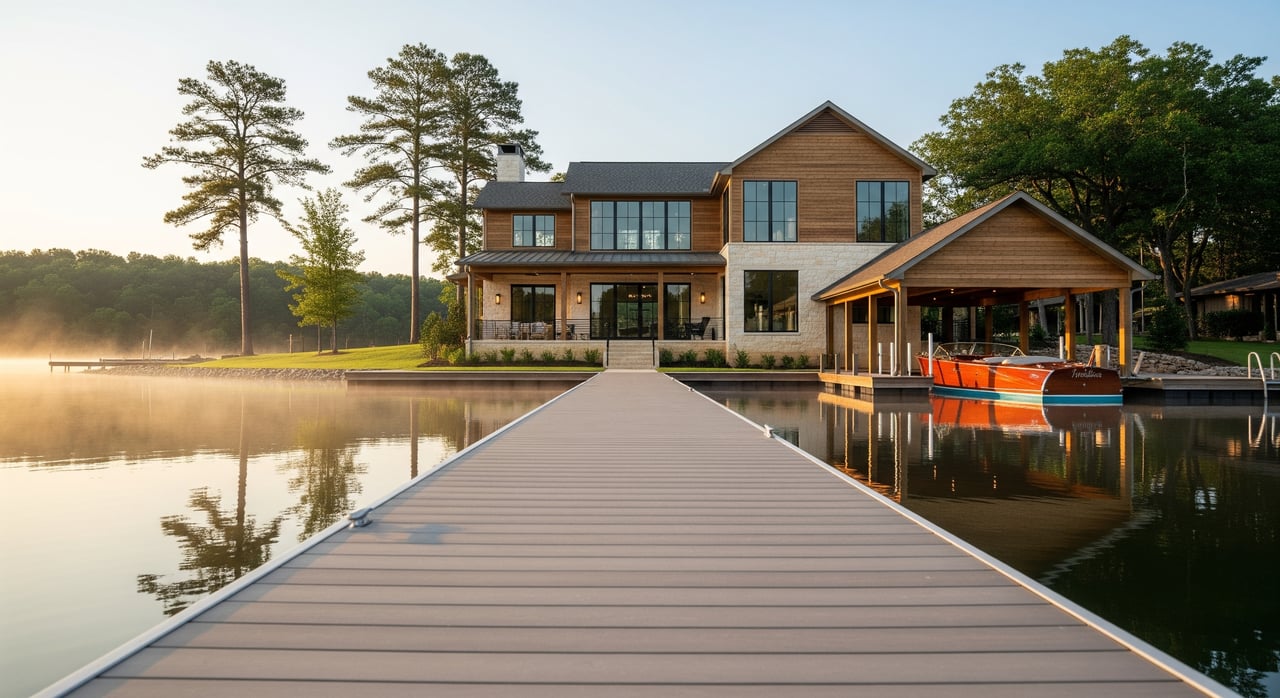
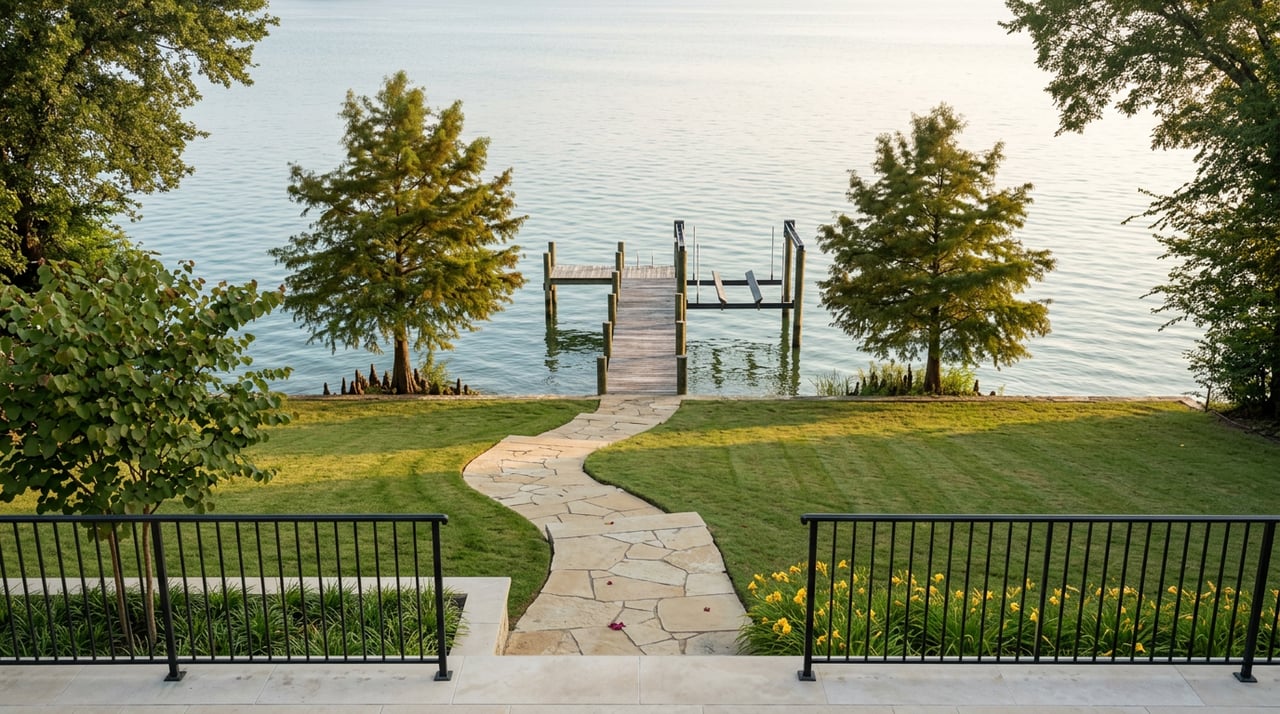
You will find a range of homes, from single‑family properties on private lots to true waterfront estates with private docks. Some neighborhoods offer community dock access or boat ramps when a private dock is not an option. Rural acreage with lake access is also common and can offer added privacy and room for storage buildings. As you shop, confirm septic versus municipal sewer, private well versus public water, shoreline easements, FEMA flood status, and any HOA or POA covenants tied to the property.
Addresses near the south and southwest sides of Lake Palestine can fall in Anderson County, including areas that use the 75803 ZIP. County lines matter because taxes, permitting, and some service providers change across the lake. Before you make decisions about docks, utilities, or improvements, verify the property’s county, assigned school district, and service coverage at the address. This will help you budget accurately and avoid delays.
Lake properties can map to different school districts based on the exact parcel. If schools are part of your decision, confirm district assignment by address and review transportation times. Do the same for essential services like nearest hospital or urgent care, sheriff or police coverage, and fire and EMS response. Small‑town retail and dining can have seasonal hours, so plan around peak and off‑season schedules.
If you are converting a weekend home into your primary residence, a staged move can reduce stress. Start with a clear inventory so you know what moves first and what can wait. Keep a small storage unit in DFW or near the lake for overflow while you settle in. Update your mailing address, vehicle registration and driver’s license if you are changing counties, voter registration, insurance policies, and school enrollment if applicable.
Plan for both household and recreational storage. Household items do best in climate‑controlled spaces due to East Texas humidity and pest risk. For boats and trailers, evaluate marina wet slips, dry stack, covered storage, or outdoor yard storage. Availability and pricing can shift with the season, so contact local marinas and storage facilities early, ask about waitlists, and compare access hours and security.
A private dock on a waterfront lot offers maximum convenience and direct access. It also requires inspection, maintenance, and compliance with county and lake authority rules. Marina wet slips reduce owner maintenance and often include fueling, pump‑outs, and winterization, but may have waitlists and monthly or seasonal fees. Dry stack or trailer storage protects smaller boats from weather and can be efficient for seasonal use.
For new docks, boathouses, or shoreline work like retaining walls or rip‑rap, confirm which agency governs your shoreline and which permits are required. Rules can differ by county and by the reservoir operator or lake authority that manages the shoreline. Use FEMA flood mapping and elevation certificates to understand flood risk and to plan dock height and design. If your project affects wetlands or navigable waters, check for any federal or state environmental requirements.
Budget time and resources for dock maintenance, including decking, pilings, boat lifts, and electrical. Ask your marina or contractor about winterization and storm preparation procedures, including tie‑downs and surge protection. If you choose a marina, review access hours, guest policies, fueling options, and any liability or proof of insurance requirements before you sign a contract.
Utilities vary by neighborhood and can change across county lines. Electricity is typically provided by a major utility or a local electric cooperative, so verify service for your exact address. Some properties have municipal water and sewer, while many rural lake homes rely on private wells and septic systems. Natural gas may not be available everywhere, and propane delivery is common. Trash and recycling can be municipal or a private hauler, so check pickup schedules and rates.
Internet availability can vary from fiber or cable to DSL, fixed wireless, or satellite. Ask providers for realistic upload and download speeds at your address, data caps, and reliability during storms. For remote work, many full‑time residents keep a cellular hotspot or satellite backup.
Contact utility providers 2 to 4 weeks before your move to schedule transfers or new connections. Meter installations or new service drops can require more lead time, so start early. For wells and septic systems, arrange inspections before closing so any repairs can be negotiated. For internet, ask about installation windows and whether self‑install is an option, then plan a backup connection during your first weeks at the lake.
Many lake neighborhoods have a POA or HOA. Before you buy, review CC&Rs, bylaws, rules and architectural guidelines, current budget and reserves, assessment history, and recent meeting minutes. Ask about transfer fees, working capital contributions, and amenity access rules.
Dock and boat storage standards, exterior appearance controls, fencing and roofing rules, and architectural review procedures are typical. Short‑term rental restrictions, guest parking rules, and noise provisions may apply. Confirm dues schedules, late fees, and whether membership is required for community ramps, parks, or pools. Ask if the HOA provides a new resident packet or orientation and if there is an online portal for forms and payments.
Arrange inspections that address lake living. These often include a septic inspection and pump test, private well water testing, a shoreline erosion assessment, a dock structural and electrical inspection, and a termite and pest check. If the driveway or slab is near grade changes or shoreline, evaluate for flood or silt risk. Request any available elevation certificate and review FEMA flood maps for the parcel.
Start with a standard homeowner policy, then discuss endorsements specific to your property. Flood insurance may be recommended or required if you are in a flood zone or near the shoreline. If you own a boat, carry appropriate boat insurance and confirm marina slip insurance requirements if you rent a slip. For homes with wells and septic systems, ask about coverage limitations and any special endorsements.
County appraisal offices set values and rates. Since the lake spans multiple counties, verify the applicable county’s rate and any school district components at the property address. If this will be your primary residence, ask about homestead exemptions and how to apply once you close.
Access to healthcare and emergency services varies by shoreline. Identify the closest hospital, urgent care clinic, and primary care providers to your property. Confirm sheriff or municipal police coverage, the nearest fire station, and EMS response areas and typical times. During holiday or off‑season periods, some local offices and clinics may have limited hours, so plan medication refills and appointments ahead of travel.
Relocating from Dallas to Lake Palestine is smoother when you verify details at the address level. Start by shortlisting neighborhoods that match your lifestyle and dock needs. Confirm commute windows, utilities, and internet options, then line up inspections and review HOA documents. A local specialist can coordinate these steps, connect you to trusted inspectors, marina managers, and dock builders, and help you prioritize updates that make lake living easier from day one.
If you want a curated, concierge experience with design‑savvy guidance, reach out to Shauna Bright. From address‑level due diligence to video previews and a polished move‑in plan, you will have a trusted partner for every decision.
Stay up to date on the latest real estate trends.
Whether its your first home, a larger property for your growing family or a scaled-down home for a comfortable retirement. Shauna’s combination of design experience, remodel and building experience, and real estate expertise makes her an individual partner who will exceed your expectations with outstanding service and results.
Shauna Bright
Address 7248 Crosswater Ste 100 Tyler TX 75703