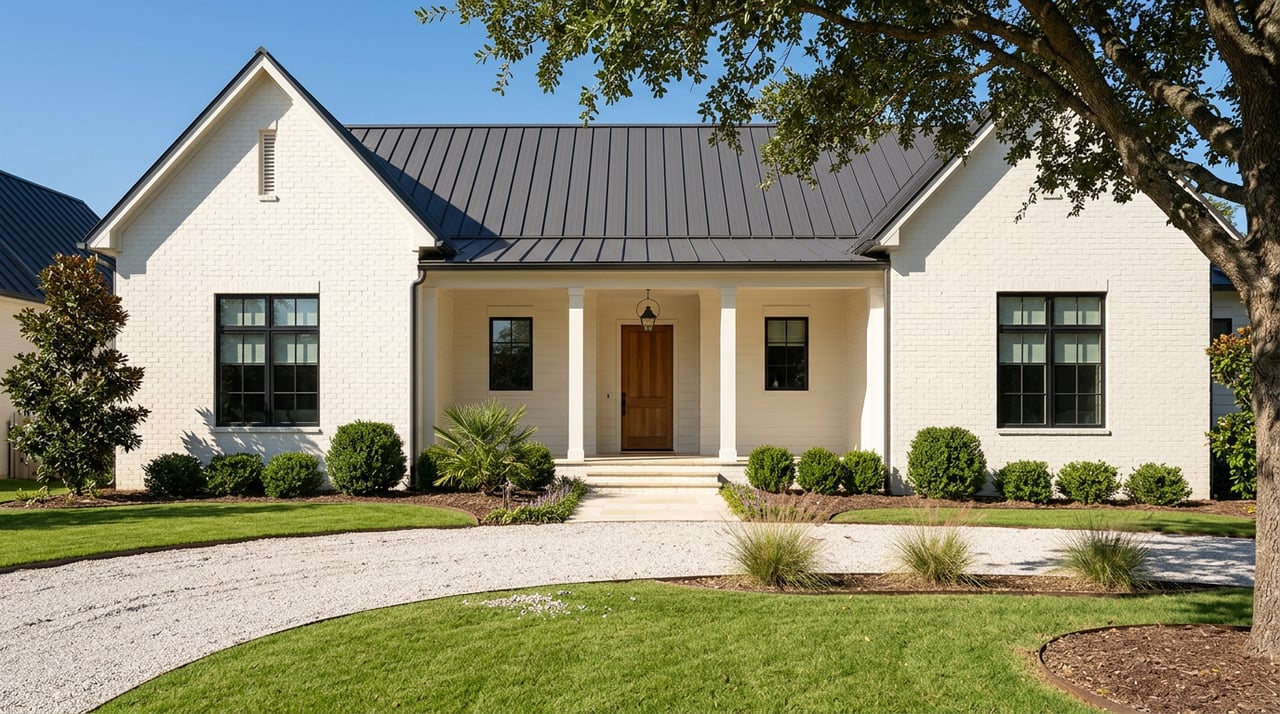
Key Considerations When Buying a Second Home on Lake Palestine
March 24, 2026
March 24, 2026
Picture your weekends on glassy water, coffee on the dock, and an easy drive from the city when you want a reset. If you are considering a second home near Lake Palestine in the 75803 area of Anderson County, there are a few lake‑specific rules and practical steps that make all the difference. In this guide, you will learn how permits work, what to check with septic and flood risk, how taxes and HOAs affect your plans, and what to expect if you want rental income. You will also get a simple due‑diligence checklist so you can move forward with confidence. Let’s dive in.
Lake Palestine is a managed reservoir on the Neches River that serves municipal, industrial, and recreational uses. That combination supports consistent water management and active boating and fishing. According to the Texas Water Development Board’s 2012 reservoir survey, the lake covers about 23,112 acres at the conservation pool. Some local materials cite roughly 25,500 acres, which reflects differences in elevation and measurement, so it is smart to reconcile figures during property due diligence using the Texas Water Development Board’s reservoir overview.
From 75803 near the City of Palestine, you can be in Tyler in roughly 30 to 60 minutes depending on the shoreline and route. That puts shopping, medical services, and a regional airport within easy reach. For many second‑home buyers, the drive from Dallas is about two hours depending on start point and traffic, which makes weekend access realistic. Use precise routing for your specific lot or neighborhood, and check typical travel windows using tools like the distance estimate from Palestine to Tyler.
Owning waterfront does not automatically grant unconditional rights to build or modify in‑water structures. The Upper Neches River Municipal Water Authority (UNRMWA) owns and manages the lake surface and lakebed, and it requires permits for docks, boathouses, and similar improvements. Before you buy, ask for copies of the current dock or boathouse permits, any approvals for repairs, and whether the permit needs to be transferred at closing. You can review UNRMWA’s process and forms on the Lake Palestine building permit page.
Many lake‑area homes rely on onsite sewage facilities, also called septic systems. UNRMWA acts as the authorized agent for TCEQ in the lake’s water‑quality zone, and it publishes planning materials and application guidance for onsite systems. If a property uses septic, get a current inspection report, confirm the permitted design, and understand any maintenance requirements. If a listing advertises municipal or MUD water and sewer, verify service boundaries and capacity during your option period using the UNRMWA onsite sewage planning materials.
Flood exposure varies lot by lot, and standard homeowners insurance does not cover flood damage. Ask your lender or insurance provider for a current FEMA Flood Insurance Rate Map determination, and if the home is in a Special Flood Hazard Area, expect a lender to require flood insurance. Even if it is not required, a quote helps you understand true carrying costs on a waterfront property. FEMA and the NFIP explain why coverage matters for lakefront buyers, and you can review their guidance here: FEMA flood insurance basics and FIRM maps.
Taxing jurisdictions around Lake Palestine can change from one parcel to the next. Properties may span counties and school districts, and some neighborhoods fall within municipal utility districts or special districts that assess additional taxes. Before you submit an offer, identify the exact taxing entities for the parcel and request prior year bills. For 75803, the Anderson County Tax Office is your local point of contact and can help you confirm parcel‑level details: Anderson County Tax Office.
If you plan to be at the lake monthly or less, build a simple operating plan. At a minimum, line up a local property manager or a trusted neighbor, schedule regular lawn and dock checks, and set a seasonal checklist for water lines, pumps, and storm prep. Smart alarms for HVAC, water intrusion, and power outages add peace of mind. If you plan to rent the home when you are not using it, a professional manager who knows cleaning schedules, key exchange, and local expectations can save you time. Active listings on platforms like Airbnb show lake‑area demand, so consider browsing Palestine‑area cabins on Airbnb as you evaluate amenities and presentation.
Service type affects both comfort and cost. Confirm whether the home is on municipal or MUD water and sewer, or if it relies on a well and septic system. If it is septic, verify permits and maintenance requirements and factor pumping and inspections into your annual budget. Ask for vendor lists and recent utility bills during the option period, and if you are new to lakefront ownership, arrange a dock and boathouse walkthrough with a contractor to map out any near‑term maintenance.
Lake Palestine has stump fields and shallow channels in places, which is part of its fishing appeal and also a reason to confirm usable water depth near your lot. Ask for channel and mooring depth details and any dredging history if available. Older docks or boathouses may predate current rules, so plan for possible retrofits or permit regularization. Thoughtful lighting, cleats, and fender placement reduce wear and tear on both boats and structures.
Weekenders from Tyler and Dallas, boating and fishing, and nearby golf communities create regular leisure demand. Bedroom count, waterfront quality, and amenities like a private dock or hot tub often influence nightly rates and occupancy. Use a short‑term rental analytics provider or a local manager to build comps and seasonality curves rather than relying on a few listings.
In Texas, rentals of fewer than 30 days are generally subject to the 6 percent state hotel occupancy tax. Some marketplace platforms collect state tax on behalf of hosts, but you are still responsible for any local registration or remittance where applicable. Review the state’s rules and confirm local requirements before you go live with a listing: Texas Comptroller hotel occupancy tax FAQ.
Many gated or golf‑course communities near Lake Palestine have covenants that restrict short‑term rentals or set minimum stay lengths. Always request the full set of recorded HOA documents and a written statement of the rental policy. For neighborhood orientation in the Tyler area, community lists can be a helpful starting point, but rely on recorded covenants for the final word: see this Tyler‑area subdivision guide for context.
Second homes on the water have a few recurring costs beyond typical utilities. Plan for dock and boathouse maintenance, HVAC servicing, septic pumping, lawn and tree care, pest control, and insurance premiums. If the property is in a higher‑tax district or a MUD, include those assessments in your evaluation. For investor owners, do not forget cleaning, platform fees, local occupancy taxes, and a reserve for wear from guest turnover.
Here is a quick reference list to help you plan your annual budget:
Use this list to keep your offer and option period on track. It focuses on items that commonly change a lakefront deal’s cost or feasibility.
Ready to explore the right waterfront fit for your lifestyle or investment goals? With a design‑savvy, detail‑driven process, you can evaluate each shoreline, dock, and floor plan with clarity and confidence. If you want a curated search, on‑the‑ground insights, and guidance through lake‑specific due diligence, connect with Shauna Bright to schedule a private consultation.
Stay up to date on the latest real estate trends.
Whether its your first home, a larger property for your growing family or a scaled-down home for a comfortable retirement. Shauna’s combination of design experience, remodel and building experience, and real estate expertise makes her an individual partner who will exceed your expectations with outstanding service and results.
Shauna Bright
Address 7248 Crosswater Ste 100 Tyler TX 75703