Craving coffee on the dock at sunrise, but unsure if you need true waterfront or if water-access will do? You are not alone. Many Smith County buyers, including those based in 75702, weigh convenience, cost, and upkeep before deciding how close to Lake Tyler they really want to live. In this guide, you will learn the real differences, budget ranges, rules to know, and a simple way to choose the right fit for your lifestyle. Let’s dive in.
Waterfront vs water-access vs lake-view
Before you shop, get clear on terms you will see in listings:
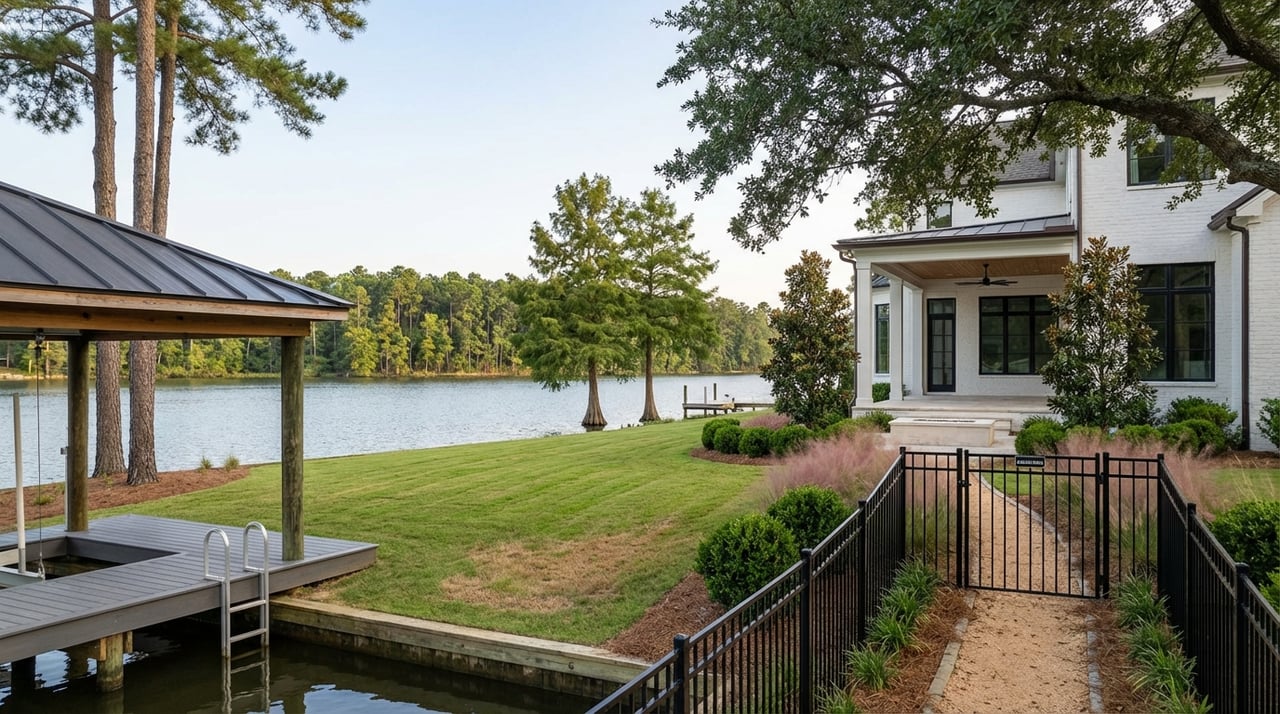
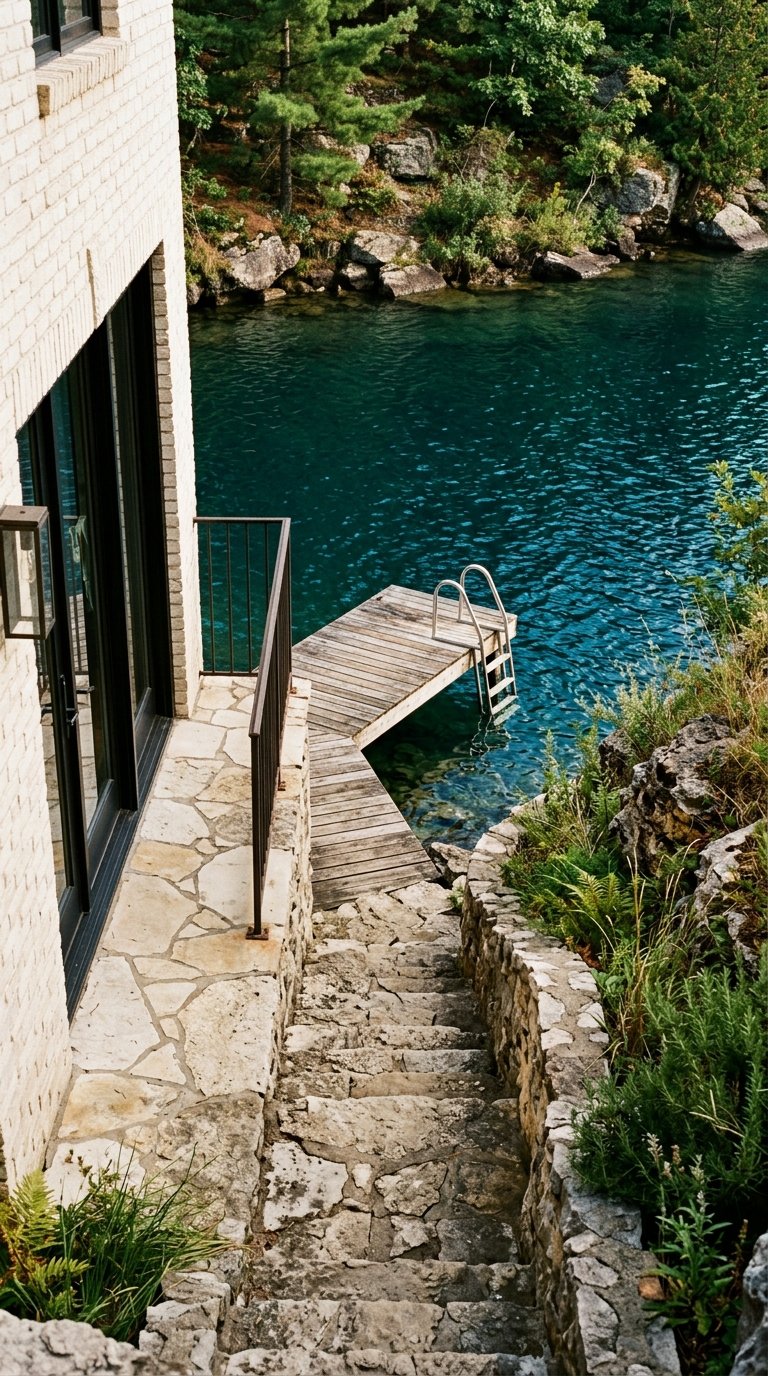
- Waterfront (true lakefront): Your property line meets the shoreline or extends to the lake’s high-water or take line. This often allows for a private dock or boathouse, subject to permits and lake rules. These homes command the strongest convenience and a price premium.
- Water-access (near the lake with shared access): You do not own shoreline, but you have a deeded slip, HOA dock, neighborhood launch, or quick access to a public marina or ramp. You get many lifestyle benefits with less shoreline maintenance.
- Lake-view (view only): You enjoy views, but you may not have legal rights to build a dock or launch a boat. Always verify recorded easements or access language.
Important: On Lake Tyler, do not assume dock or shoreline rights. Verify deed and plat language, any HOA or lease agreements, and the status of existing permits with the City and Tyler Water Utilities before you make an offer.
How Lake Tyler is managed
Lake Tyler is a two-basin system, Lake Tyler West and Lake Tyler East, owned and operated by the City of Tyler as both a drinking-water supply and a recreation lake. You can read a concise overview of the reservoir’s role and history in the Texas Almanac profile of Lake Tyler.
Management affects what you can own and build:
- The City controls the water surface and, in many areas, the shoreline to the take line. Some shore parcels are City-owned and leased to individuals.
- Upland parcels around the lake may be fee simple or City leaseholds. Leaseholds have different transfer and improvement rules.
- The City is actively updating a Lake Tyler Master Plan that addresses leases, shoreline use, water quality, and recreation. See the City of Tyler master plan update and the City Council discussion on shoreline control and leases for context.
Practically, this means you should confirm parcel type, where your lot lines end, and what the City will permit for docks and boathouses before you rely on any listing language.
Waterfront homes: lifestyle, costs, tradeoffs
If you want to step outside and launch, true waterfront delivers the most seamless lake life.
What you will love:
- Immediate private access for boating, paddling, and fishing.
- Strong lifestyle appeal, often with the best views.
- Typically faster market demand and a clear value premium.
What to weigh:
- Purchase price: As of 2024–2025, many Lake Tyler waterfront homes with private docks or boathouses trade roughly from the low $400s to $1M+, with luxury estates higher. Exact values depend on shoreline footage, improvements, and finish level.
- Upkeep and insurance: You are responsible for shoreline stabilization and dock or boathouse maintenance. Insurance may include home, boat, and dock-related coverage.
- Permits and rules: Because Lake Tyler is a drinking-water reservoir, dock and boathouse features are regulated. Confirm what is allowed before you plan any improvements.
Water-access homes: lifestyle, costs, tradeoffs
If you want the boat and the weekend fun without owning the shoreline, water-access can be a great fit.
What you will love:
- Strong lifestyle at a lower entry price than true waterfront.
- HOA or marina handles most shoreline structures, so your maintenance load is lighter.
- Multiple public ramps and marinas ring the lake, including Lake Tyler Marina Resort and The Boulders, which offer convenient alternatives to private docks. See a map of Lake Tyler public ramps and marinas.
What to weigh:
- Purchase price: As of 2024–2025, many water-access homes often range roughly from the mid $200s to upper $600s, depending on size, finish, and amenities.
- Shared rules: Review HOA documents for slip assignment, guest policies, and maintenance fees.
- Convenience: You may carry gear a bit farther or drive a few minutes to launch.
Docks, lifts, and boathouses: what to expect
Because Lake Tyler is a public drinking-water reservoir, private structures are closely regulated. Always verify current policy with Tyler Water Utilities and the City.
Typical components and cost bands:
- Docks: Installed costs vary widely based on size, materials, and site conditions. Trade sources commonly cite ranges from roughly 20 to 120-plus dollars per square foot. Review context and examples in this dock construction overview.
- Boat lifts: A common feature on Lake Tyler. Typical new lifts range from about 2,500 to 25,000-plus dollars depending on capacity and type. See factors in this boat lift cost guide.
- Boathouses: Roofed or partially enclosed structures may face added limits. Over-water plumbing and “livable” boathouse build-outs are often restricted on reservoirs. Review the City’s engagement on rules in the master plan update and public meeting discussion before you assume a design is possible.
Pro tip: Ask for copies of any existing dock permit and written approvals to transfer it. If a structure lacks documentation, factor that into your offer and timelines.
First-year budget snapshot
Every shoreline is different, so get local contractor bids. As a planning tool, consider this starter list when comparing waterfront to water-access:
- Dock service and minor repairs: periodic maintenance in the low to mid four figures in many years, with occasional larger capital repairs. See context in the dock construction overview.
- Boat lift install or upgrade: commonly 2,500 to 25,000-plus dollars depending on type and size, per the lift cost guide.
- Shoreline stabilization and erosion mitigation: methods range widely in cost. Get site-specific quotes.
- Insurance: boat policies often run from the low hundreds to several hundred dollars per year for smaller vessels, depending on value and use. Read a primer on factors in this boat insurance overview, then consult your insurer for property-specific quotes.
- Flood risk: requirements and premiums depend on FEMA flood zones. Check the FEMA Flood Map Service Center and discuss with your lender and insurance agent.
Which one fits your life
Use these quick prompts to get unstuck:
- Choose waterfront if launching in minutes, hosting on your own dock, and preserving top-tier views are worth higher upfront cost and ongoing upkeep.
- Choose water-access if you want boating and lakeside time with fewer maintenance chores, shared rules do not bother you, and budget flexibility matters.
- Consider lake-view if you prize scenery, prefer a lower price point, and are happy using marinas and public ramps.
Buyer due diligence checklist
Save this list for your tours and offers:
- Confirm parcel type: fee simple or City lease. Ask for documents in writing. Review the City’s context on leases in these public meeting notes.
- Verify lot lines and shoreline boundary on a certified plat or survey. Make sure you understand where the take line sits relative to your lot.
- Ask for all dock or boathouse permits, HOA dock rules, and any City or utility approvals referenced in the listing. The City’s master plan update page is a good starting point to understand policy.
- Check FEMA flood zone and request elevation certificates where relevant at the FEMA Flood Map Service Center.
- Budget for dock, lift, shoreline stabilization, and routine maintenance. Use the dock cost overview and lift cost guide as ballpark references, then get local quotes.
- Confirm septic and plumbing rules. Over-water plumbing and certain boathouse features may be restricted on a drinking-water reservoir. When in doubt, verify with Tyler Water Utilities and the City.
- If relying on community access, obtain the HOA’s governing documents, slip assignment language, guest policies, and fee history.
Day-to-day realities to plan for
- Convenience vs upkeep: Waterfront gives you instant use of the lake. Water-access shifts most shoreline responsibilities to an HOA or marina, which can mean lower maintenance time and cost.
- Security: Boathouse and dock thefts have been noted by neighborhoods around the lake. Owners often add locks, lighting, and cameras, and coordinate with associations. See a community example in East Shore Estates neighborhood updates.
- Water quality and erosion: The City’s planning process highlights sedimentation and wake-related erosion as ongoing concerns. Expect shoreline management to be a shared effort between owners, the City, and contractors. The City Council discussion provides helpful background.
Touring tips around Lake Tyler
- Visit at different times: A quiet Tuesday morning feels different than a sunny Saturday when the lake is active.
- Try the access points: If you are not buying waterfront, test the drive and launch experience at public ramps or marinas to see if the routine works for you. Use this marina and ramp guide.
- Inspect shoreline structures closely: Look for decking wear, lift condition, signs of erosion, and the presence of rip-rap or bulkhead solutions.
- Ask sellers for utility costs and maintenance logs: Especially for docks, lifts, and erosion control.
Your next step
Whether you are leaning waterfront or water-access, the right fit comes from clear priorities, clean documents, and a grounded budget. If you want tailored guidance on neighborhoods, current dock rules, and on-the-water lifestyle tradeoffs, connect with a local advisor who knows the lake at a granular level. Schedule a private consult with Shauna Bright to compare active options, walk through pros and cons by address, and plan a smooth path to your Lake Tyler home.
FAQs
What is the core difference between waterfront and water-access on Lake Tyler?
- Waterfront includes private shoreline that may allow a permitted dock or boathouse, while water-access relies on a deeded slip, HOA dock, or nearby public marina without owning the shoreline.
Are private docks and boathouses allowed on Lake Tyler?
- Yes, in many areas with City approval, but designs and features are regulated because the lake is a drinking-water reservoir; verify permits and current rules with the City and Tyler Water Utilities, starting with the master plan update.
How much do docks and boat lifts typically cost near Lake Tyler?
- Trade sources cite docks around 20 to 120-plus dollars per square foot depending on design and site, and boat lifts around 2,500 to 25,000-plus dollars; see the dock overview and lift guide.
Do Lake Tyler homes require flood insurance?
- It depends on FEMA flood zones and lender requirements; check your property at the FEMA Flood Map Service Center and consult your insurance agent for premiums.
Where can I launch if my home is water-access without a private dock?
- Several public ramps and marinas serve Lake Tyler, including Lake Tyler Marina Resort and The Boulders; see locations on the Lake Tyler access guide.