Smart Oak Hollow Outdoor Living Ideas for Backyards
June 18, 2026
June 18, 2026
Wondering how to make an Oak Hollow backyard feel more useful, stylish, and marketable without overbuilding the lot? In this part of San Antonio, many homes sit on moderate-sized parcels, and the climate puts real pressure on how outdoor spaces perform. The good news is that you do not need a sprawling yard to create an outdoor area that feels finished and inviting. With the right mix of shade, scale, and water-wise design, you can build a backyard that works well now and still appeals to future buyers. Let’s dive in.
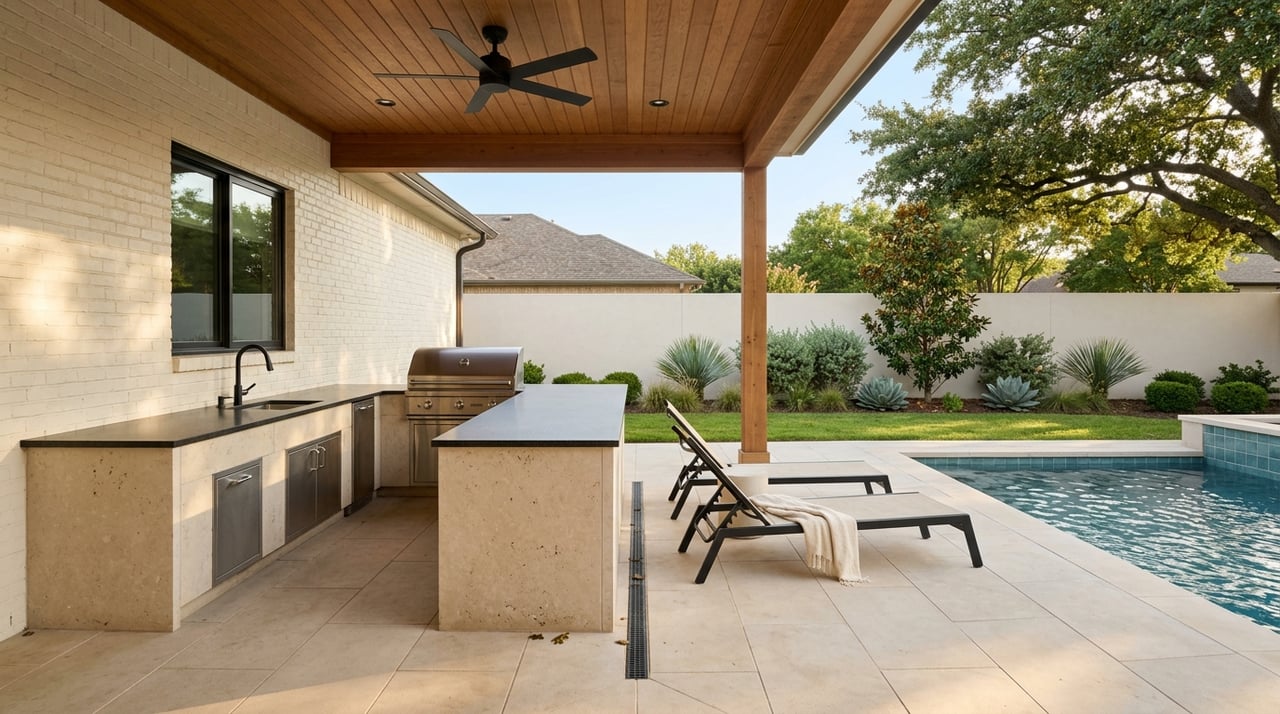
In Oak Hollow, shade is usually the smartest first upgrade. NOAA climate normals for San Antonio show average highs near 95°F in July and 96°F in August, which means an uncovered patio often goes unused during the hottest months.
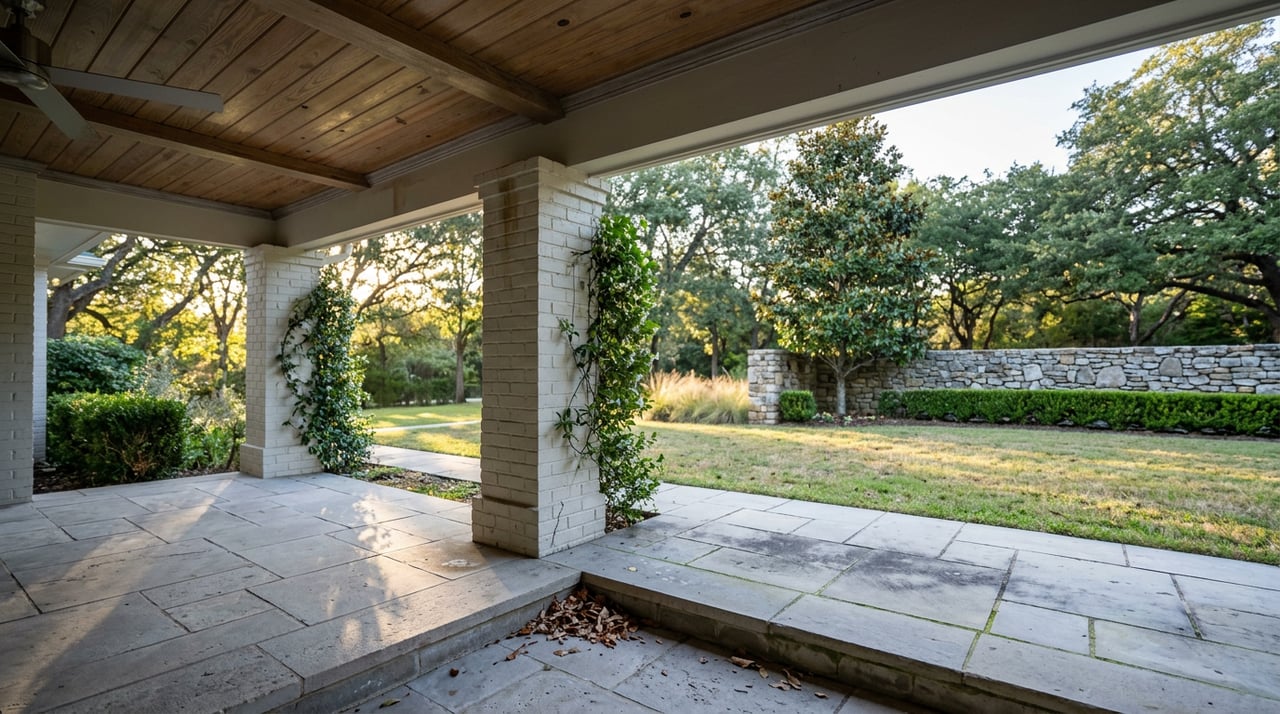
A covered patio or pergola helps turn your backyard into an actual outdoor room. On many Oak Hollow lots, that kind of defined, shaded living space will deliver more day-to-day value than a large open slab.
If you are deciding where to invest first, think in terms of use. A shaded seating or dining area can make the yard more comfortable for morning coffee, evening meals, and casual entertaining across more of the year.
When planning a shade structure, focus on details that support regular use:
These elements help a modest backyard feel intentional instead of pieced together.
Public listing snippets suggest many Oak Hollow area lots fall around 0.19 to 0.37 acres. That usually gives you enough room for one strong backyard program, not several oversized features competing for space.
In practical terms, that means your yard will often look and function better when you choose a clear priority. A shaded patio, a compact pool, or a landscape-centered courtyard can all work well. Trying to fit all three at a large scale can make the space feel crowded.
A strong backyard plan often starts with one anchor feature, such as:
Once that main feature is set, you can build supporting elements around it without losing flow.
A pool can absolutely make sense in Oak Hollow, but compact is often the better fit. Current listing examples in the area show that pools and covered patios can work on lots in roughly the 0.2 to 0.37-acre range.
Instead of aiming for a sprawling resort layout, consider a rectangular pool, plunge pool, or a pool-plus-lounge design. Those options usually preserve better circulation and leave room for seating, planting, and usable hardscape.
For resale, a well-scaled pool often reads better than one that dominates the entire backyard. Buyers tend to respond well when the yard still feels balanced and easy to maintain.
If you are choosing between the two, shade often provides the broader payoff. A pool can be a strong lifestyle feature, but a shaded patio generally supports more daily use and works even when temperatures are high or watering rules are tighter.
If your budget allows only one major project first, a covered outdoor room may be the more flexible choice.
Oak Hollow backyards should be designed to look polished even when watering is limited. SAWS ties watering restrictions to Edwards Aquifer levels and uses staged drought rules, so landscapes that depend on constant irrigation can become harder to maintain.
That is why low-maintenance, low-water design is such a practical fit here. A finished yard does not need to be lawn-heavy to feel attractive.
The WaterSaver Community at the San Antonio Botanical Garden highlights several ideas that fit this approach well:
This type of plan can help your backyard stay intentional-looking through changing weather and watering limits.
Before you upgrade irrigation or landscaping, it helps to understand local requirements. SAWS says year-round watering rules apply even when restrictions are less severe, and tighter stages can follow as aquifer levels change.
SAWS also requires working rain sensors on automatic irrigation systems. That makes efficient scheduling and plant selection especially important.
For homeowners, this means your best long-term design is one that does not rely on frequent watering to look complete. The less your yard depends on high-input maintenance, the easier it can be to manage over time.
If you are planning backyard improvements, local incentives may help offset some costs. SAWS says its WaterSaver Landscape Coupons return seasonally, with $125 coupons in spring and $150 coupons in fall, and each coupon requires 200 square feet of grass removal.
SAWS also lists an Outdoor Living Rebate for deck and patio projects, along with residential outdoor programs tied to rainwater harvesting. If you are already considering a landscape refresh, those programs may make a water-wise plan even more appealing.
Because rebate programs can change, it is worth checking current program details before you start construction or remove turf.
If your yard has runoff issues or you want to make the landscape work harder, rain gardens and cisterns are worth considering. SAWS describes rain gardens as a way to conserve water, reduce runoff, and improve habitat.
Rainwater harvesting rebates can also support the addition of cisterns or collection systems. These features are not just practical. When they are integrated well, they can help a backyard feel more thoughtfully designed.
On a modest lot, that kind of efficient planning can add both function and visual appeal without taking up too much space.
A backyard does not need to be elaborate to feel elevated. In Oak Hollow, a low-maintenance plan often looks more refined than a yard filled with features that are hard to care for under summer heat and water limits.
Think clean edges, durable materials, defined planting beds, and a simple layout that feels easy to enjoy. This is especially important if you may sell in the future.
Texas H.B. 517, effective September 1, 2025, prohibits property owners' associations from fining owners for brown or discolored turf during a residential watering restriction and for 60 days after the restriction ends. That gives homeowners more room to treat water-wise landscaping as a practical design choice rather than a compromise.
Before construction begins, confirm permit requirements with the City of San Antonio. Development Services says residential permits are typically required for build, remodel, repair, or demolition work.
The city's residential permit page specifically includes patio covers, porch covers, decks, fences, and swimming pools among the permit types it handles. Private residential pools and hot tubs are exempt from public-pool licensing, but the construction permit still matters.
Checking permits early can help you avoid delays, redesign costs, or issues that surface later during a sale.
A strong backyard upgrade should support both your lifestyle and your home's presentation. Realtor.com's December 2025 snapshot for Oak Hollow Estates showed a median home price of $400,000, a median of $175 per square foot, 5 active listings, and a 26-day average on market.
In a relatively supply-constrained setting, a polished outdoor living area may help your home feel more complete to buyers. The key is staying in scale with the lot and the neighborhood.
The best resale-minded improvements are usually the ones that feel broadly usable. A shaded patio, compact pool, and attractive low-water landscaping can all add appeal without making the yard feel overdone.
If you are weighing which outdoor updates make sense for your property, Shauna Bright can help you think through the design, maintenance, and resale side of the decision with a tailored, high-touch approach.
Stay up to date on the latest real estate trends.
Whether its your first home, a larger property for your growing family or a scaled-down home for a comfortable retirement. Shauna’s combination of design experience, remodel and building experience, and real estate expertise makes her an individual partner who will exceed your expectations with outstanding service and results.
Shauna Bright
Address 7248 Crosswater Ste 100 Tyler TX 75703